
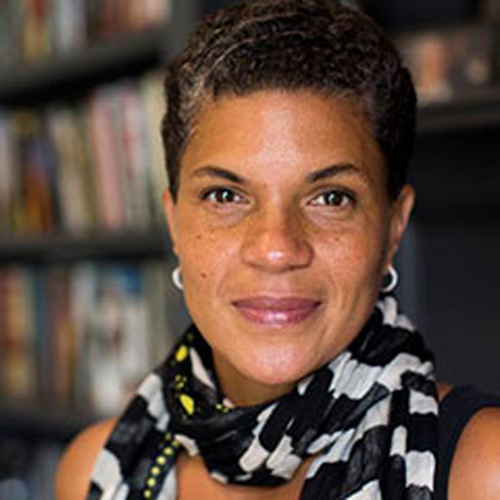
Isaac Luria: What really brought you to this particular moment in time, centering spirit as part of doing justice work?
Michelle Alexander: I have to credit Vincent Harding for changing the trajectory of my life and my orientation to movement work. I met him shortly after my book The New Jim Crow finally broke through into the mainstream. It was a moment when I really should have been overjoyed. Many people assume that the book was an instant bestseller, but quite the opposite was true. It came out shortly after Barack Obama was elected as our first Black president, and our nation was awash in post-racialism and “we have overcome.” For more than a year after the book was released, I was talking primarily to small groups of activists in half-empty church basements, flying all over the country trying to sound the alarm about mass incarceration in America. I wanted people to wake up and listen – not just to me – but to those who’d been fighting criminal injustice for decades and to the millions who were locked up and locked out in the so-called “land of the free.”
And then, when the message finally broke through and instead of talking to dozens of people, I was suddenly talking to hundreds and receiving thunderous applause – even standing ovations – I should have been overjoyed. People kept saying, “Aren’t you so happy? Aren’t you thrilled? Things are changing, something’s happening now.” But instead, I found myself sinking into a deep depression. I was having trouble even getting out of bed, much less making it onto stages.